

For many global brands, invoicing is still treated as a back-office function. That assumption is becoming risky.
Major structural shifts redefining B2C invoicing globally
- Governments are tightening digital compliance and expanding real-time reporting.
- Cross-border operations are increasing regulatory and currency complexity.
- Customers expect instant, secure digital access to their records.
- AI-driven and agentic commerce models are reshaping purchasing and post-purchase workflows.
- Invoices are evolving into strategic brand touchpoints that reinforce trust and drive repeat purchases.
What used to be a static document is now a compliance-sensitive, customer-facing digital asset. Brands that modernize early gain better control, lower costs, and stronger customer trust. Those that delay may find themselves reacting under pressure.
This guide outlines the core standards global brands should be preparing for now.
The Four Forces Reshaping B2C Invoicing
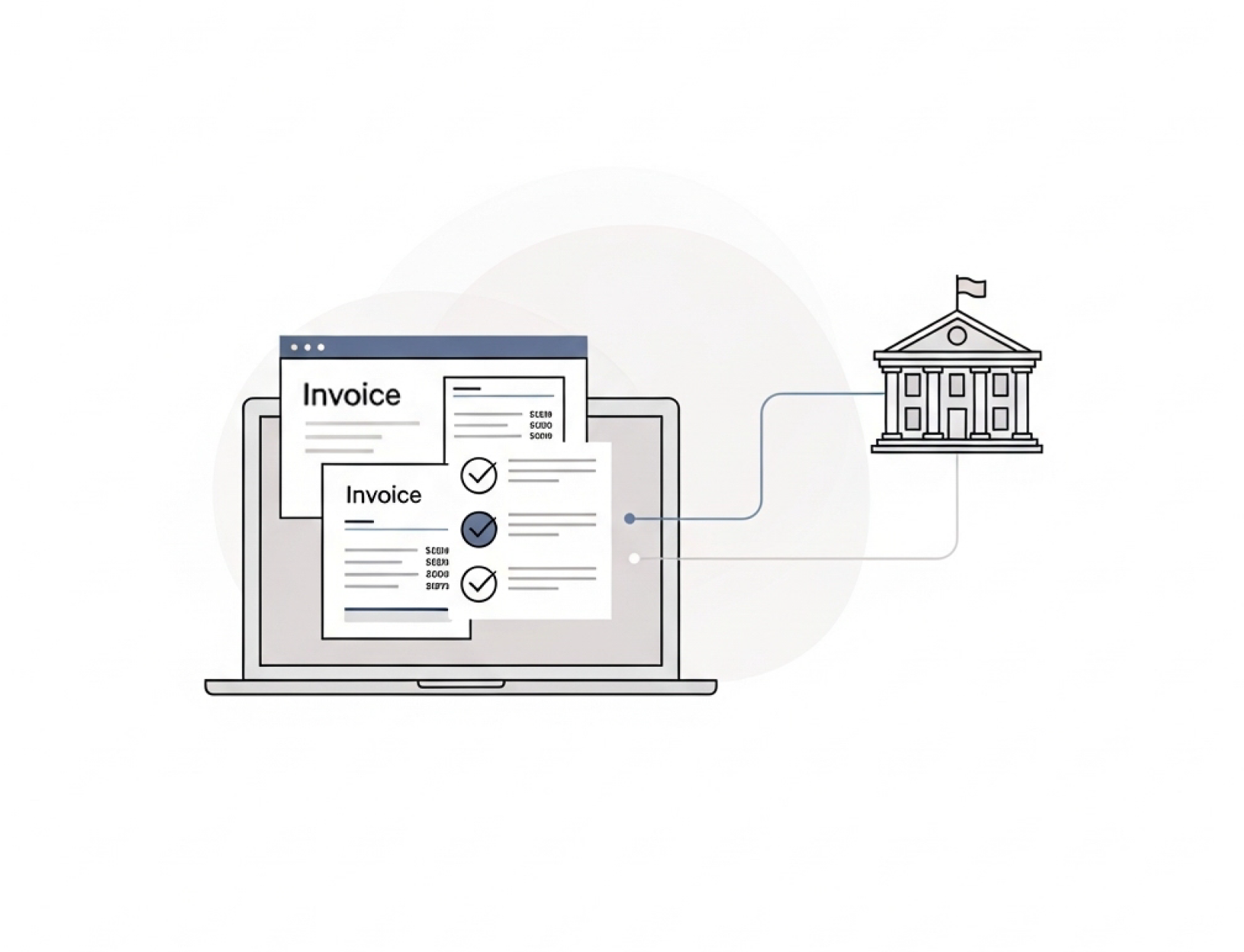
Regulatory Acceleration
Many countries that introduced real-time reporting for B2B are now exploring similar models for B2C. Structured formats, digital validation, and tax authority integration are becoming more common.Compliance is no longer periodic. It is ongoing.
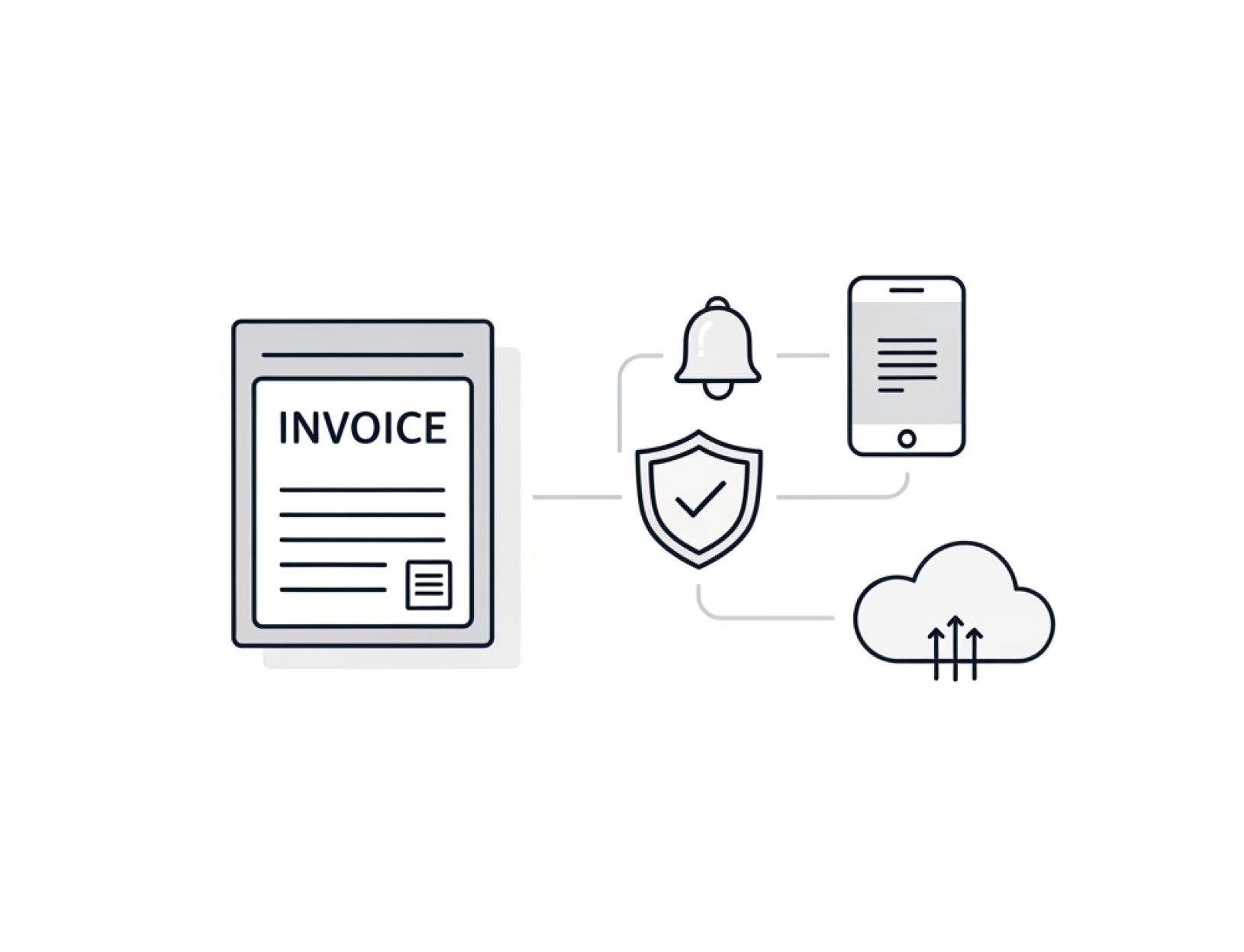
Customer Expectation Shift
Customers expect a frictionless post-purchase experience. Invoices that are not instantly accessible or contextually relevant create friction. As commerce shifts toward AI-powered and agentic shopping models, brands risk exclusion from AI-driven ecosystems.
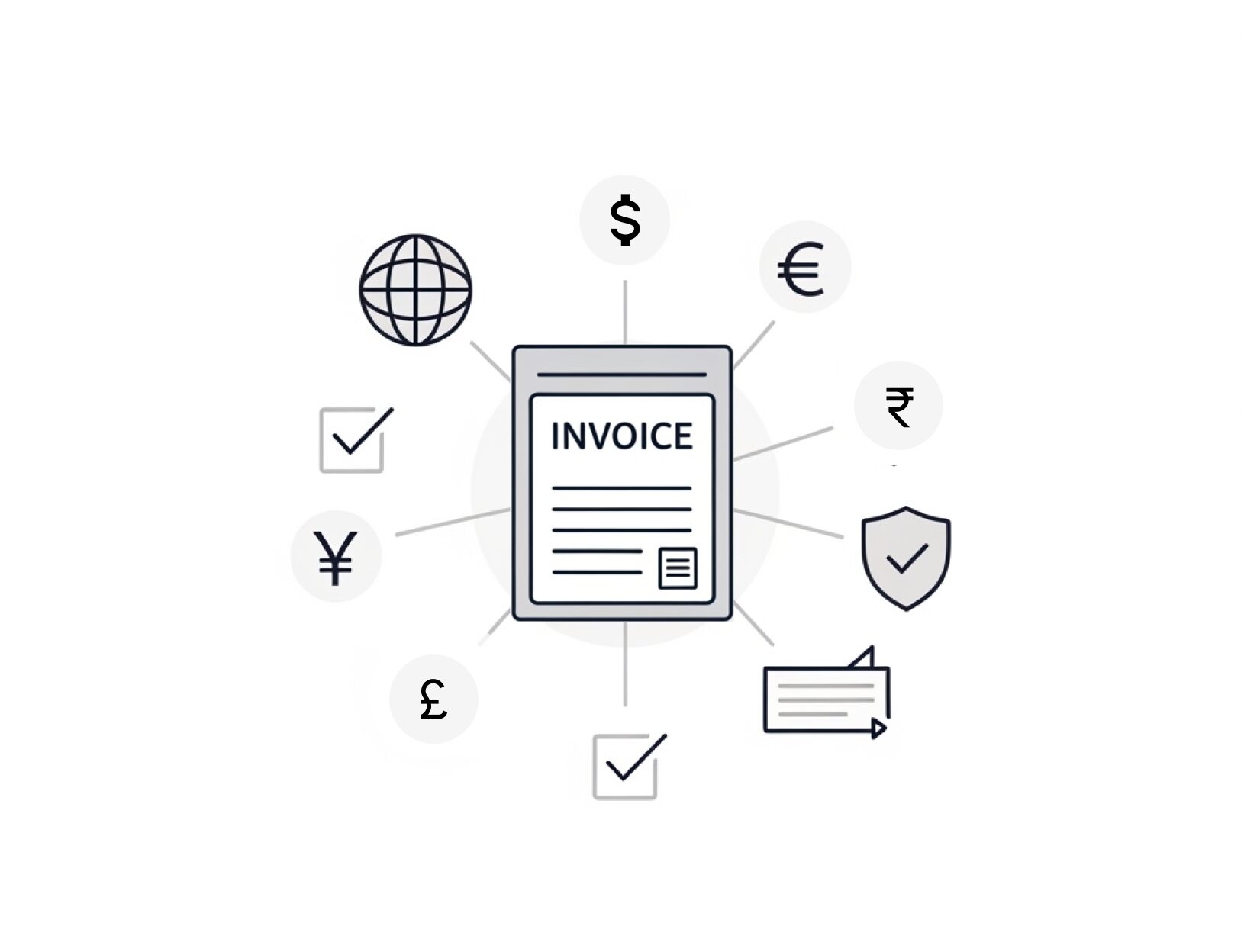
Cross-Border Complexity
Global brands operate across multiple languages, currencies, and regulatory systems. Manual processes and fragmented platforms increase both risk and cost. These forces require structural modernization, not minor adjustments.
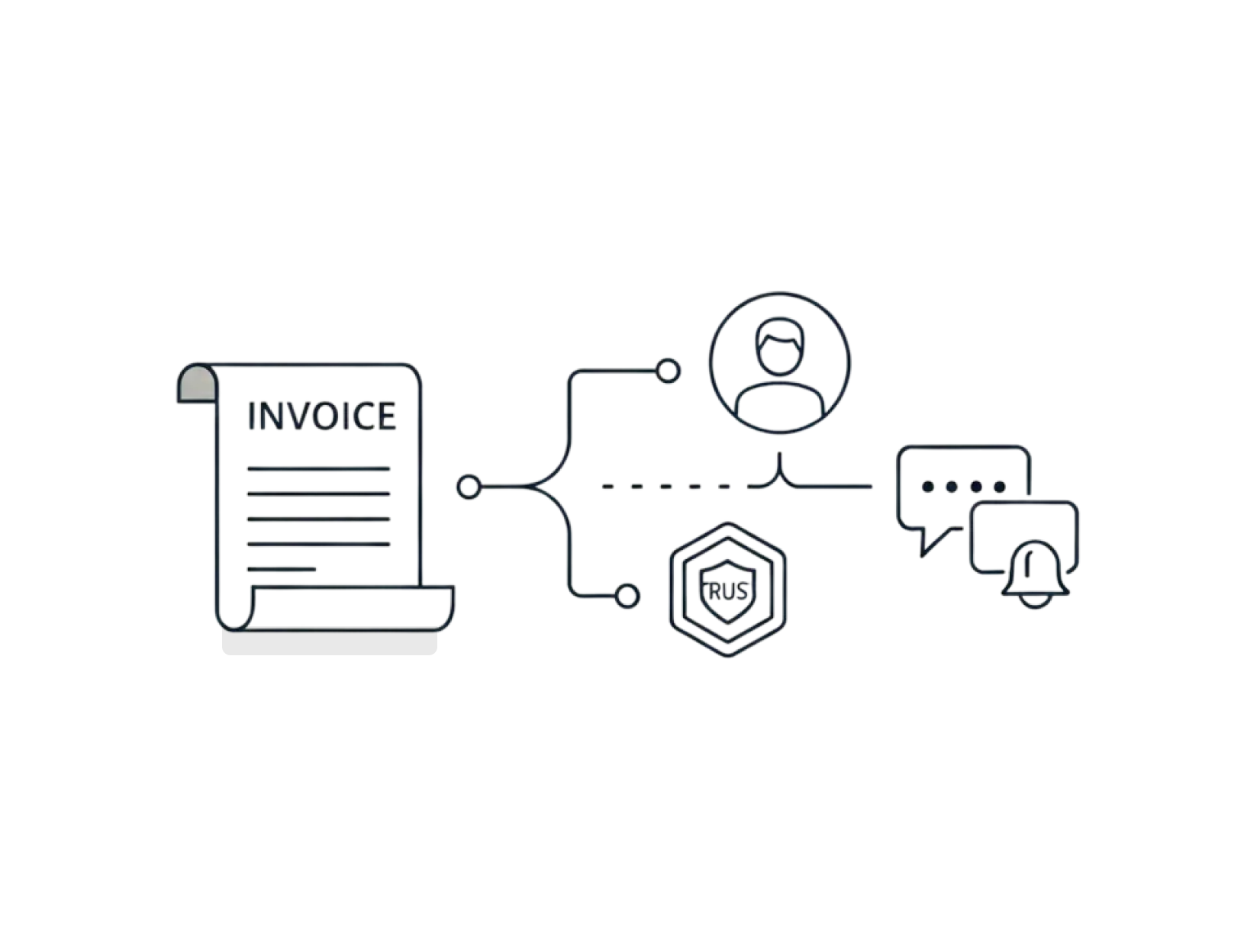
Brand Loyalty & Customer Engagement
Brands that treat invoicing purely as compliance miss the bigger opportunity.
Invoices can:
- Strengthen customer trust
- Reduce churn
- Improve post-purchase satisfaction
- Support premium brand positioning
In competitive global markets, small operational signals create large perception shifts.
What Global Brands Must Prepare For
1.Digital Access and Delivery Is the Baseline
Digital delivery is now standard. Leading brands provide:
- Secure self-service invoice portals
- Tokenized access links via email
- Clear, human-readable PDF versions
- Structured formats such as XML or JSON where required
Notifications are typically automated through:
- Email as the primary channel
- SMS for time-sensitive transactions
- Messaging platforms where relevant
Secure links are preferred over unsecured attachments.
Why it matters: Fewer support requests and a smoother customer experience.
2.Authenticity and Security Must Be Verifiable
Invoice fraud and document manipulation are increasing. Customers and auditors expect immediate validation.
Common mechanisms include:
- Unique verification identifiers
- QR codes linked to validation portals
- Digital signatures
- Tamper-evident controls
Why it matters: Lower fraud risk, fewer disputes, stronger credibility. Trust directly impacts brand value.
3.Data Protection Must Be Built In
Invoices contain personal and transactional data. That places them under major data protection regulations such as:
- GDPR in the European Union
- CCPA in the United States
- PDPA frameworks across Asia-Pacific
Modern invoicing systems should include:
- Data minimization
- Encryption in transit and at rest
- Secure storage
- Clear governance policies
Why it matters: Regulatory fines can be managed. Reputational damage is harder to repair.
4.Self-Service Portals Reduce Operational Load
When customers cannot retrieve invoices easily, support teams carry the cost.
Modern portals allow customers to:
- View complete invoice history
- Download archived invoices
- Raise correction or dispute requests
- Track resolution status
Customers rarely complain about invoices.But they remember when access fails.
Why it matters: Lower service costs and higher satisfaction.
5.Localization and Currency Transparency Are Essential
Ambiguity creates disputes.
Global brands should ensure:
Language flexibility
• Statutory language where required
• Customer-selected language options
• Dual-language formats in regulated markets
Currency clarity
• Clear display of transaction currency
• Optional display of home or reporting currency
• Exchange rate and timestamp visibility
Why it matters: Fewer reconciliation issues and smoother audits.
6. Full Transparency Prevents Escalation
Incomplete invoices create unnecessary friction.
Invoices should clearly show:
- Issue date and reference numbers
- Product or service details
- Payment terms and due dates
- Tax breakdown by rate and category
- Registration and tax identification numbers
- Verification elements
- Relevant notes and terms
Clarity prevents disputes before they escalate.
Why it matters: Stronger audit readiness and fewer compliance questions.
7. Retention and Archival Require Discipline
Retention requirements typically range from five to ten years depending on jurisdiction.
Modern systems must ensure:
- Secure long-term storage
- Protection against data loss
- Preservation of document integrity
Customers should also be able to access historical invoices without friction.
Why it matters: Critical for audits, tax filings, expense reporting, and warranty claims.
8. E-Invoicing and Real-Time Reporting Are Expanding
Real-time reporting is already common in B2B environments. B2C expansion is advancing in several regions.
Brands should prepare for:
- Structured invoice formats
- Real-time or near real-time reporting
- Integration with government platforms
- Continuous compliance monitoring
Waiting until mandates are enforced can create operational strain.
Why it matters: Early preparation protects stability and avoids rushed implementation.
9.The Invoice Is a Strategic Brand Touchpoint
Marketing focuses on acquisition. Finance focuses on accuracy and compliance.The invoice sits between both. It is often the final interaction in a transaction and final interactions shape how customers remember a brand.
A well-designed digital invoice:
- Reinforces brand identity
- Signals operational maturity
- Reduces disputes
- Builds confidence for repeat purchases
Invoicing is no longer just documentation. It is part of the customer experience.
The Hidden Cost of Delayed Modernization
Invoicing gaps rarely appear dramatic. They build up quietly.
Common consequences include:
- Fragmented compliance across markets
- Rising customer service workload
- Increased fraud exposure
- Emergency system upgrades when mandates arrive
- Manual reconciliation inefficiencies
The cost of reacting is usually higher than preparing early.

The Hidden Cost of Delayed Modernization
Invoicing gaps rarely appear dramatic. They build up quietly.
Common consequences include:
- Fragmented compliance across markets
- Rising customer service workload
- Increased fraud exposure
- Emergency system upgrades when mandates arrive
- Manual reconciliation inefficiencies
The cost of reacting is usually higher than preparing early.
Executive Checklist and Action Plan
To stay ahead, leadership teams should:
- Conduct a full invoicing compliance review across markets
- Implement secure, scalable customer portals
- Automate notification and delivery workflows
- Deploy verification mechanisms such as QR codes and digital signatures
- Align systems with global data protection standards
- Enable localization and multi-currency support
- Build compliant archival and retention infrastructure
- Begin structured e-invoicing readiness planning
- Strengthen ERP and OMS integrations
- Stress-test scalability for peak transaction volumes
Modernization should be led as a cross-functional initiative involving Finance, IT, Compliance, and Marketing.

Executive Checklist and Action Plan
To stay ahead, leadership teams should:
- Conduct a full invoicing compliance review across markets
- Implement secure, scalable customer portals
- Automate notification and delivery workflows
- Deploy verification mechanisms such as QR codes and digital signatures
- Align systems with global data protection standards
- Enable localization and multi-currency support
- Build compliant archival and retention infrastructure
- Begin structured e-invoicing readiness planning
- Strengthen ERP and OMS integrations
- Stress-test scalability for peak transaction volumes
Modernization should be led as a cross-functional initiative involving Finance, IT, Compliance, and Marketing.
Final Perspective: Compliance as Competitive Advantage
B2C invoicing is often viewed as a cost center. That thinking is outdated.
When handled only as compliance, invoicing remains administrative overhead. When modernized properly, it becomes part of the customer experience infrastructure.
A clear, secure, and accessible invoice builds confidence. It reduces friction and prevents disputes before they escalate. It also signals operational maturity.
More importantly, it extends the brand beyond the point of sale.
If the invoice is seamless and transparent, it reinforces trust. If it is confusing or difficult to access, it weakens the relationship.
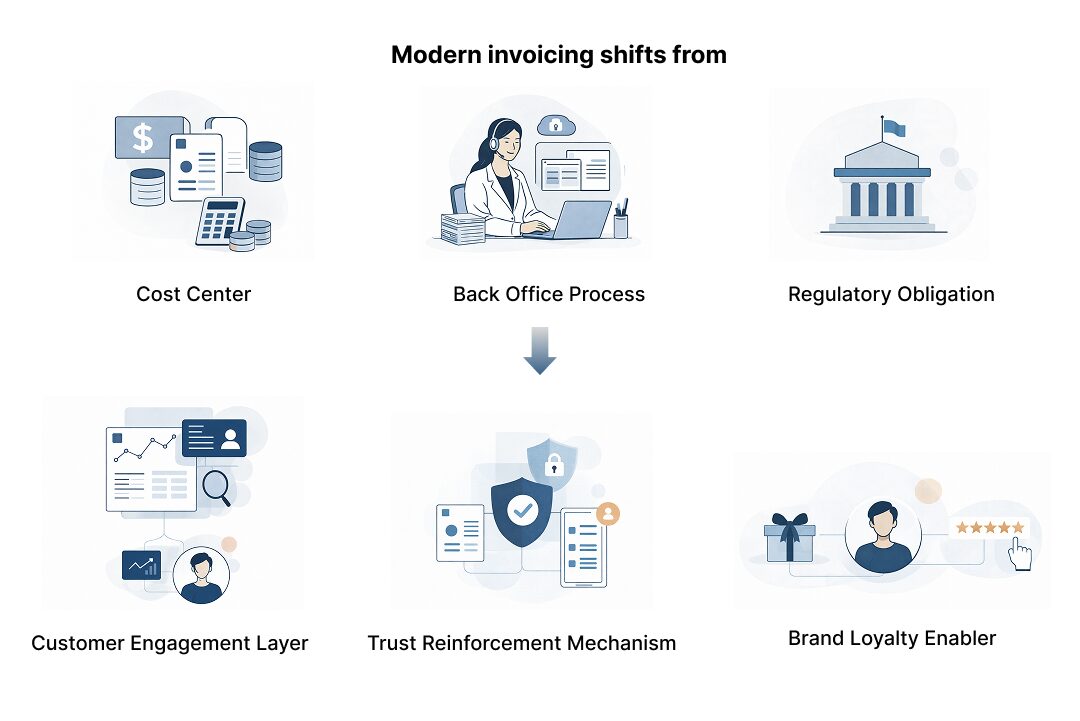
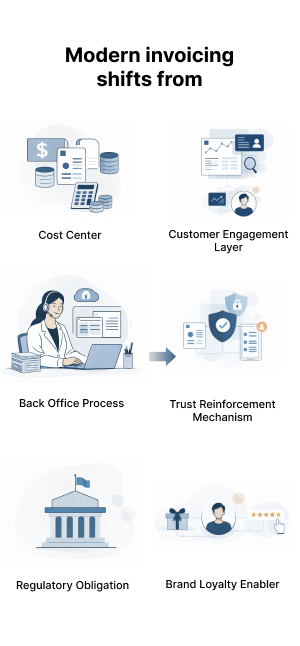
The future of invoicing is not just about digital compliance.It is about sustaining customer confidence at scale.
The real question is whether your organization sees invoicing as expense control or as strategic infrastructure.
Is Your Brand Ready?
Now is the time to review your invoicing framework, identify gaps, and prepare for the next phase of digital compliance.
If you would like to explore how to modernize your B2C invoice infrastructure or align with evolving global mandates: